What to Know Before Starting a Historic Roof Restoration
Restoring a historic roof is not the same as replacing a modern one. Older homes were built with materials and methods that require specialized care. Choosing the wrong contractor or approach can damage the roof’s structure and reduce the home’s value. That is why homeowners researching historic roof restoration should understand the process before work begins.
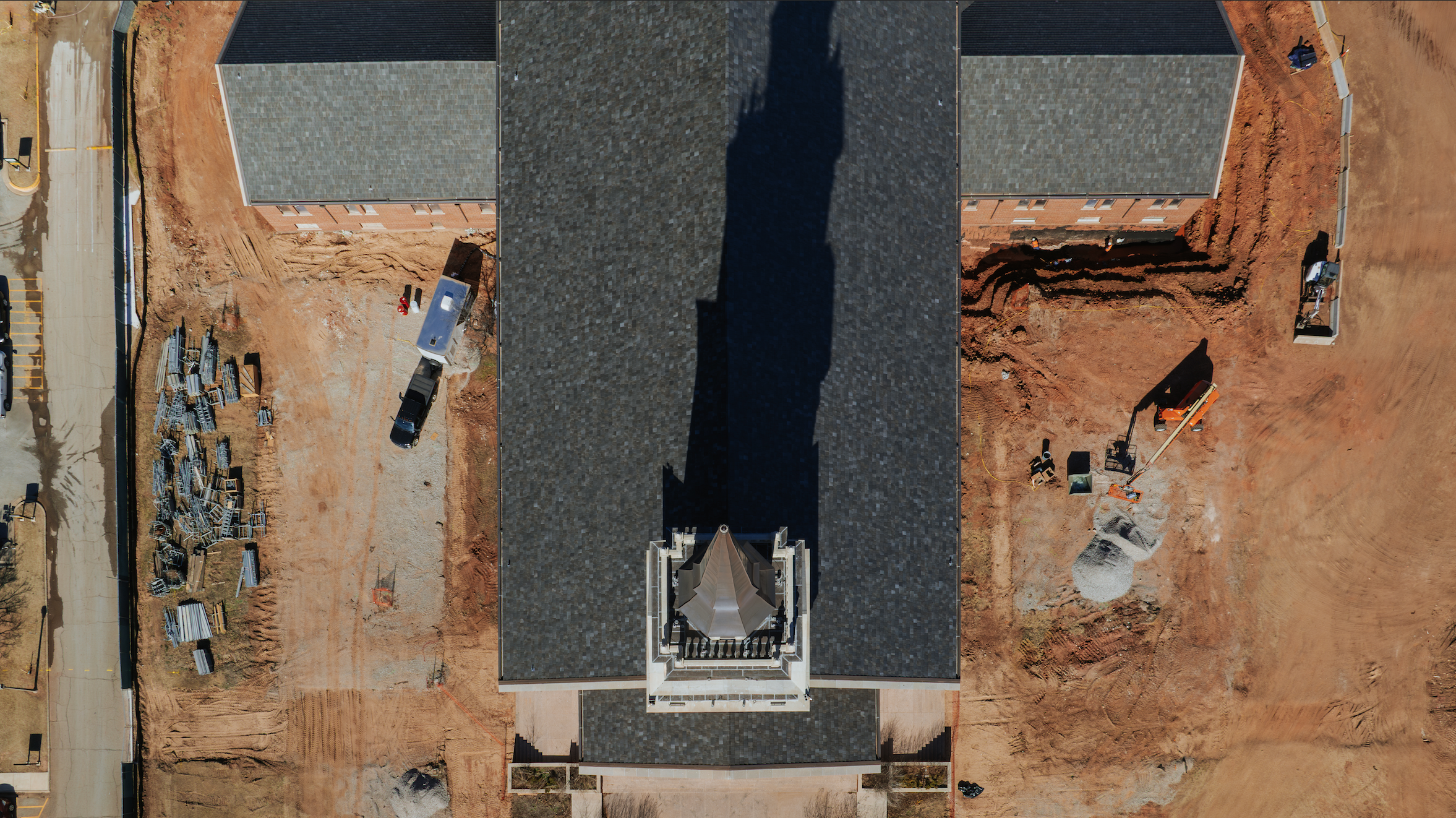
Many historic roofs use slate, clay tile, or wood materials that must be preserved whenever possible.
Goodman’s Construction specializes in working with these materials while respecting the original design of the home. Their team understands how to assess aging roofs without removing elements that can still be saved. This level of care helps homeowners avoid unnecessary replacements and keeps historic homes authentic. Homeowners can learn more about this approach through Goodman’s historic roofing services, which are designed specifically for preservation-focused projects.
A proper evaluation is the first step in any successful restoration.
Instead of guessing, professionals examine the roof for slipped tiles, cracked slate, failing underlayment, and moisture issues. These inspections help determine whether repairs or partial restoration is the best solution. In many cases, addressing small issues early prevents costly damage later.
Another key factor is compliance with local preservation guidelines. Historic neighborhoods often have requirements that dictate what materials and methods can be used. Goodman’s Construction works within these guidelines, helping homeowners avoid delays and compliance issues while still improving roof performance.
Homeowners considering historic roof restoration should prioritize experience, material knowledge, and attention to detail. Working with a contractor that understands historic structures ensures the roof remains durable, functional, and visually accurate for decades to come.